
 Hand Injury/Condition
From a Mysterious Hand Condition to the River Again
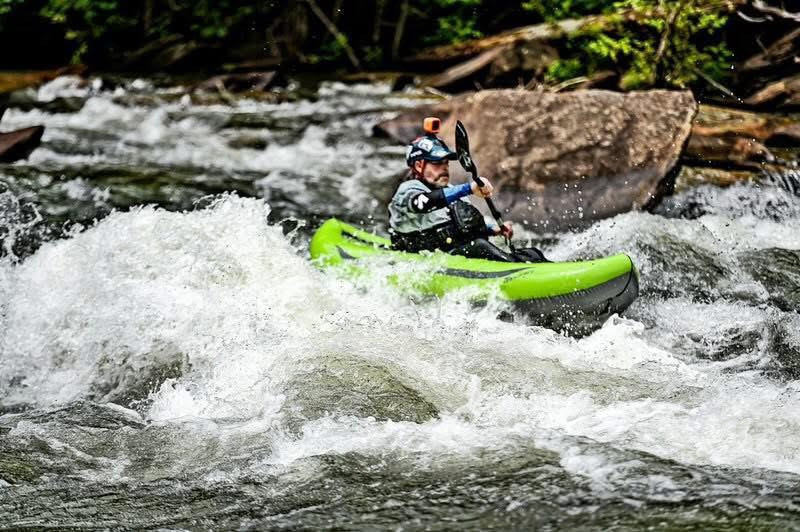
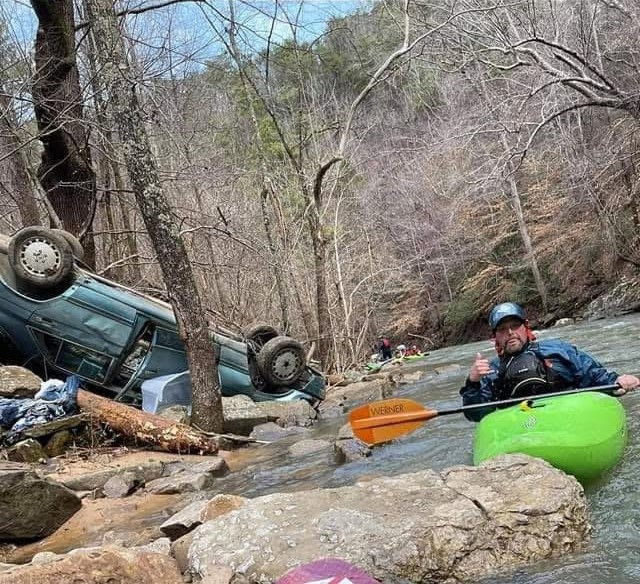
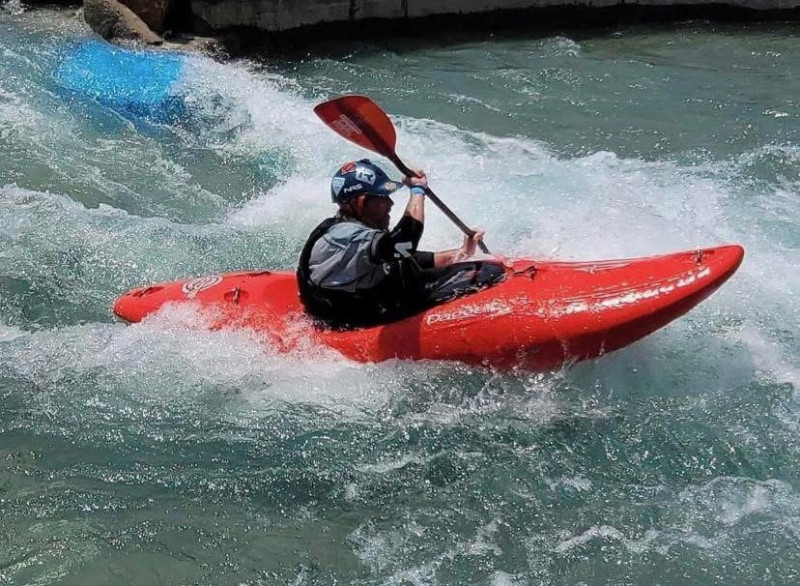
I’m a Trussville, Alabama native and I’ve always just enjoyed being outside. I used to be a competitive tennis player until I beat up my legs and feet enough that I had to quit. These days, I’m an outdoorsman and paddler—whitewater rivers in North Carolina and Tennessee are where I clear my head.
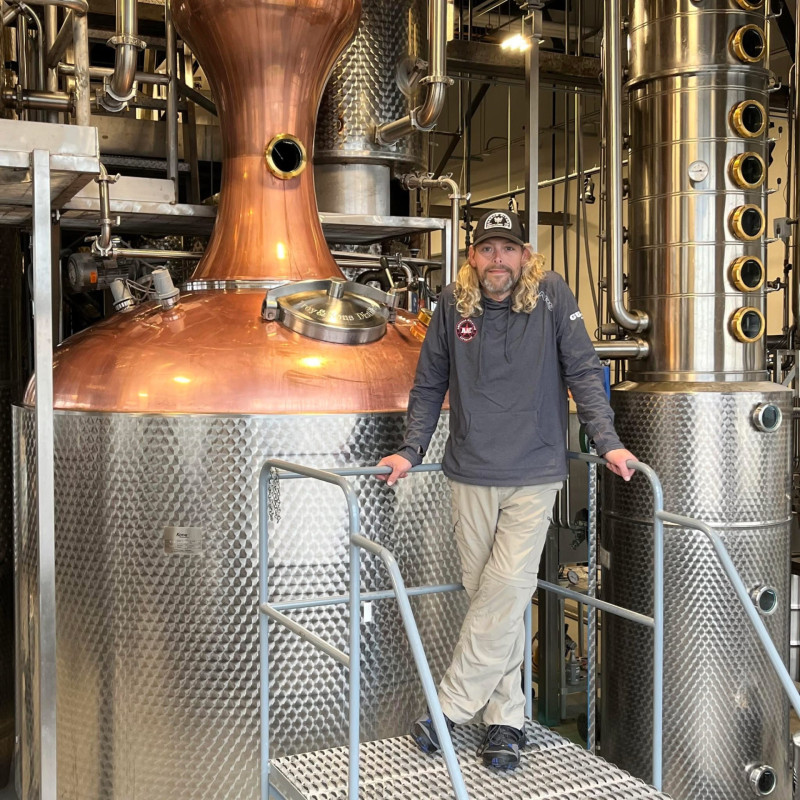
By day, I work at Dread River Distilling Company as the Post Production and Packaging Manager. Once the distillers make the spirits and fill the barrels, everything after that is on me. I pull from the barrel, proof the product, bottle it, label it, pack it, and get it ready to ship and store. If you’ve picked up a bottle from Dread River, there’s a good chance it’s passed through my hands.
The Hand That Wouldn’t Calm Down
The trouble started the way these stories usually do: small, forgettable moments. One day, I got a splinter from a pallet in my hand. I dug it out, cleaned it, moved on. Another day, a piece of metal from a wire brush lodged in the same hand. I pulled it, washed it, and chalked up the soreness to the job.
A few days later, I moved an American agave plant at work. It’s got those thick leaves with long, sharp spikes on the end. I went to move it and one of those spikes jabbed me, again, in the same hand and the same general area I’d already beaten up.
I checked to see if anything broke off. I didn’t see anything. I washed it, took care of it, and thought, “I really need to take it easy. I’m beating this hand up.”
Over the next two weeks, the soreness turned into a deep, steady pain. Then the swelling came. A raised knot started growing on the middle-finger knuckle of my right hand. At first it was just tender. Then it became impossible to ignore. Here’s where I got it wrong: I tried to tough it out. Not being responsible, I let it go for about three months.
By that point, the swelling had become a full-on mass. The knuckle was about the size of a half dollar, raised close to an inch off the surface. It looked bad, it felt worse, and it was starting to interfere with everything—bottling, gripping tools, even simple daily stuff.
That’s when I finally said something to Dr. Jeff Dugas, who I knew through Dread River.
A Rare Diagnosis for a Working Hand
Jeff didn’t waste time. He sent me down the hall to a hand specialist, Dr. McKeon. The first thing they did was X-ray my hand. I was expecting to hear, “Yeah, there’s still a piece of agave in there,” or “We see some metal.”
The X-ray came back clean. No visible foreign object. Just this ugly, swollen area that wouldn’t quit. Then Dr. McKeon walked in, took one good look, and immediately told me she knew what it was.
She explained that I was dealing with something similar to a rose gardener’s disease—a soil-related infection that can happen when contaminated material gets driven under the skin. A splinter, a metal fragment, a plant spine—it all added up.
She told me that soil-related infections can get nasty quickly and believed something had gotten into the hand and irritated the area enough that surgery would be necessary.
What I thought was just a beat-up hand from work turned into a mysterious condition that needed real surgery. For someone who makes a living and a life with his hands—bottling spirits and paddling whitewater—that lands heavy.
But there wasn’t much to debate. We scheduled the surgery.
Surgery, Stitches, and a Decision
When I woke up and saw my hand for the first time after surgery, I was honestly shocked. It was swollen, stitched, and angry looking. Somebody saw a picture and said it looked like I had a centipede on my hand, and they weren’t wrong. The incision line and stitches went right across that knuckle. I remember thinking, I’m going to have the worst scar in history.
The doctors had opened up the infected area and cleaned out what that buried contamination had started. It was invasive, but necessary. Now the question was: how much function was I going to get back? That part was up to me.
I’ve been injured before—from years of competitive tennis and just being hard on my body—so I knew not to baby it more than the doctors advised. They told me clearly: the more you can safely move it, the better your recovery will be.
I started squeezing a ball and moving my hand the day of surgery. I didn’t go crazy with it, but I was deliberate. Open, close, flex, extend. Keep the joint alive. At one point, my dressing got wet; I carefully removed it, cleaned everything, rewrapped it, and kept following the plan.
When I went back for my follow-up, they peeled off the bandages and just stared. They were like, “Wow, man, this looks fantastic. You have all your range of motion. How do you feel? “I told them the truth: “Man, I’m already back at work. I only missed one day and I’m almost 100%.”
That’s when they made a call I wasn’t expecting.
They told me they didn’t think physical therapy was necessary because my recovery and range of motion were already looking really good, so they gave me the option to just keep doing what I was doing. No PT. Just keep moving, keep using it smart, and let it heal.
That weekend, I did the thing that really told me I was back: I went paddling.
The Team That Got Me Back
I’ve spent years running processes—proofing spirits, bottling, packaging—so when I see something run smoothly, I notice. I was blown away by the process. As soon as I walked in, they didn’t waste my time. They were so upfront and told me exactly what to expect.
And what really sticks with me is this: “Everything went as planned, exactly the way they mapped it out. And that never happens in ordinary life, I promise.”
From Jeff getting me in quickly, to Dr. McKeon recognizing what was really going on with this mysterious condition, to the staff walking me through every step, it was one of the best experiences I’ve had with any organization—medical or otherwise.
What I Carry Forward
I’ve got before-and-after photos of my hand that still blow my mind. In the early shots, the swelling and stitches look brutal. People weren’t kidding about that “centipede.” In the newer ones—just a few weeks later—you can barely tell anything happened.
I thought I was going to have the worst scar in history. And honestly, I’m amazed. It’s almost 100% healed up now, and I’m just right at three weeks. Alongside those, I’ve got photos of me back where I belong—standing by the boat, smiling with friends, back on the water.
Here’s what this whole thing taught me: Don’t ignore what your body is trying to tell you. Letting it go for three months was a mistake. The right people and the right plan change everything. Sometimes the difference between a long, painful recovery and a fast comeback is how quickly you start moving—physically and mentally.
I still joke that I’m a pretty dull guy. I go to work, handle bottles, keep things running behind the scenes. I load up my boat and head for the river when I can. The difference now is awareness. Every time I grip a bottle at the distillery or a paddle in fast water, I’m reminded how close I came to losing it—and how grateful I am that a mysterious condition is now just a chapter in the story, not the end of it.