 Spine Fusion
Spine Injury/Condition
Spine Fusion
Spine Injury/Condition
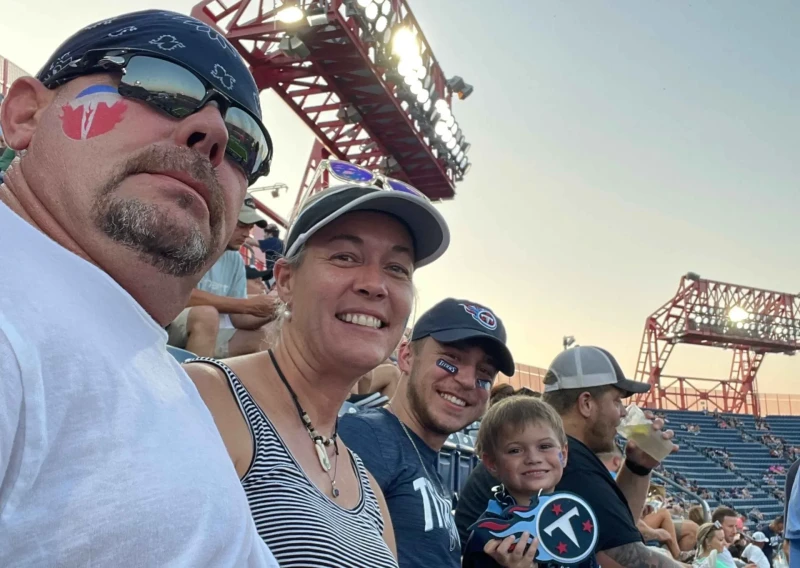
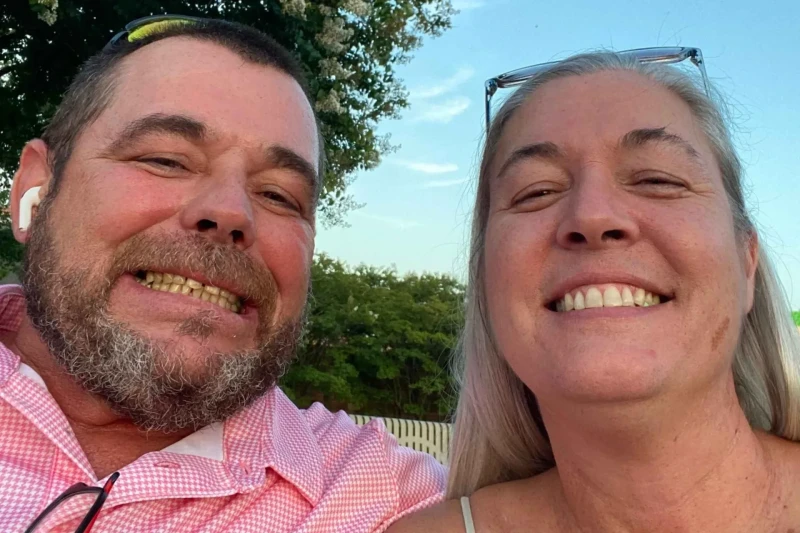
From the Lowest of Lows to a Life Worth Living
There was a point when I honestly believed I had only two futures left—a wheelchair or a grave. That’s a difficult sentence to say out loud. It’s even harder to admit that I believed it.
After a surgery that left me nearly paralyzed, every day became a battle against pain I couldn’t explain and a future I couldn’t imagine. Doctor after doctor looked at my scans, reviewed my history, and told me some version of the same thing: “There’s nothing more we can do.”
After hearing those words enough times, you start to wonder if they’re right. I did. But my wife never stopped believing there was another answer. When I had lost hope, she carried it for both of us. Looking back now, I’m thankful she did.
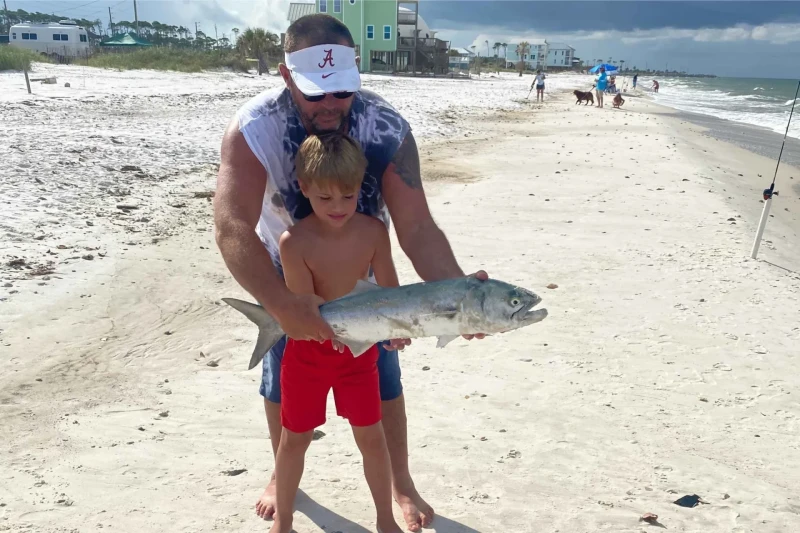
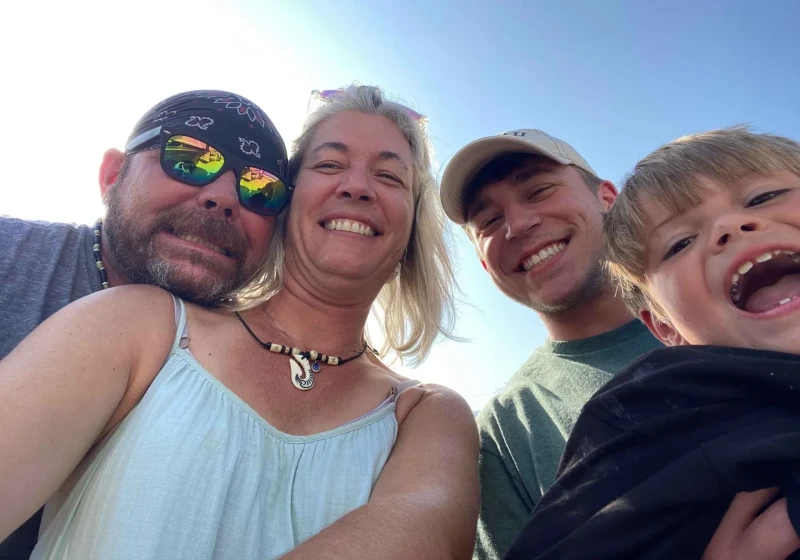
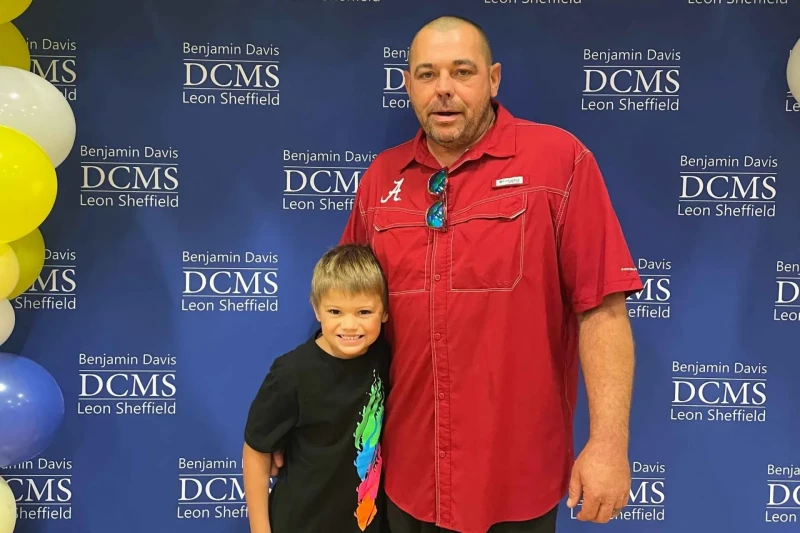
My name is Jeffrey Vess. I’m 51 years old, and I’ve spent my entire life in Decatur, Alabama. I’m a husband, a father of four, and a grandfather of four. I’m not a professional athlete or someone who’s spent a lifetime in the spotlight. I’m just an ordinary man who wanted to work hard, take care of his family, and enjoy life. For years, that’s exactly what I did. Until one ordinary day changed everything.
The Fall That Started It All
In 2010, I was doing something I’d done hundreds of times before. I was working around my truck. As I stepped off the back, I lost my footing and fell. It happened in an instant. One misstep left me with a broken neck, a broken back, and injuries that would follow me for years.
Like anyone else would have done, I trusted the doctors and committed to the recovery process. I underwent surgery on my neck, surgery on my knee, and treatment for my back. Recovery wasn’t easy, but over time I was able to get back on my feet and return to everyday life.
For nearly a decade, I learned to live with the lingering effects of those injuries. I worked. I spent time with my family. I kept moving forward. I thought the worst was behind me.
Then the pain came back. At first, it was manageable. Then it became constant. Before long, it was affecting every part of my life. The pain in my neck returned. My lower back became unbearable. Things that had once been routine suddenly felt impossible. I knew something wasn’t right.
Because I had experienced good results from my earlier neck surgeries, I went back to the surgeon I trusted. I believed we could fix whatever had gone wrong. Instead, my life took another devastating turn.
The Surgery That Nearly Took Everything
The plan sounded straightforward. I was told the procedure would take about three to three and a half hours. Instead, I spent eight and a half hours in the operating room. When I finally woke up, nothing felt the way it should.
I tried to move. I couldn’t walk. The surgery had left me nearly paralyzed.
I’ve been through a lot over the course of my life. I’ve been blown up, broken bones, run over—you name it. I’ve always considered myself someone with a high tolerance for pain. But this was different. This wasn’t pain I could grit my teeth and push through.
The physical pain was relentless, but what hurt even more was wondering if this was how the rest of my life would look. For the first time, I truly believed my future had been taken away from me. I remember lying there thinking there were only two possibilities left: a wheelchair or a grave. No one should ever feel that hopeless. Yet that’s exactly where I found myself.
Searching for Hope
What followed was eight long months of searching for someone willing to look beyond what everyone else saw. My wife and I traveled from doctor to doctor, carrying stacks of medical records, MRI scans, and hope that seemed to fade a little more with every appointment.
Each visit felt the same. We’d explain everything that had happened. The doctor would review my scans. Then we’d hear the words that had become all too familiar: “There’s nothing we can do.”
Meanwhile, I was prescribed medication after medication—muscle relaxers, nerve medications, pain medicine. Instead of fixing the problem, it felt like everyone was simply trying to help me tolerate it. For a while, I started believing that maybe this really was my new life.
But every time I began to lose hope, my wife reminded me of something I couldn’t see for myself. She’d look at me and say, “There’s somebody out there who can help you. We just haven’t found them yet.”
She refused to give up on me, even when I had almost given up on myself. Neither of us knew it then, but we were only one appointment away from everything changing.
The Appointment That Changed Everything
After eight months of unanswered questions, I came to Andrews Sports Medicine, where my initial appointment was with Mrs. Daryl Flanagan, PA-C, a member of Dr. Andrew Cordover’s provider team.
I didn’t walk into the office expecting a miracle. Honestly, I had learned not to expect much at all. But almost immediately, I realized this appointment was different.
Mrs. Flanagan listened - not just to my symptoms, but to my story. She wanted to know what had happened, what I was feeling, and everything my wife and I had experienced since the surgery that changed my life. I never felt rushed. My pain wasn’t dismissed, and I wasn’t told I simply needed to learn to live with it.
I felt believed. That may sound like a small thing, but after months of feeling like no one truly understood what I was going through, it meant everything. Then I heard something I hadn’t heard in a very long time:
“I know someone who can help you. It’ll be a process, but if you’ll stay with me and do everything we ask you to do, we’ll get you fixed.”
For the first time in months, someone wasn’t telling me what couldn’t be done. They were telling me what could. As I sat there listening, an overwhelming sense of peace came over me. I had spent countless nights praying for an answer, wondering if anyone would ever figure out what everyone else seemed to be missing.
Walking out of that office, I felt something I hadn’t felt in a long time: hope. It wasn’t because I knew exactly what the future would look like. It was because, for the first time, I believed I actually had one.
A Fresh Set of Eyes
Not long after that initial appointment, I had an appointment with orthopaedic spine surgeon, Dr. Andrew Cordover. By that point, I’d grown used to people looking at my scans for a few minutes before telling me there wasn’t much they could do. Dr. Cordover approached my case differently.
He didn’t just look at one MRI. He looked at everything - every scan, every surgery, every report, every piece of the puzzle. He wanted the full story before deciding what came next. Instead of assuming the previous opinions were correct, he asked questions. He studied what had happened and searched for answers that others had overlooked.
Then he looked at me and said words I’ll never forget: “I’m sure you’re ready to die… but I can fix you. Don’t worry about it. We’ll handle it.”
After months of hearing there was nothing anyone could do, those words felt almost impossible to believe. But I believed him. Not because he made promises, but because he had taken the time to truly understand my situation before giving me an answer.
For the first time since my surgery, I wasn’t thinking about surviving. I was thinking about getting my life back.
Rebuilding More Than My Spine
Fixing what had gone wrong wouldn’t be easy. The damage couldn’t be corrected with a quick procedure. It would require a carefully planned, two-day reconstruction.
The first operation focused on removing the hardware from the previous surgery and addressing the problems with my spine. The following day, another surgical team continued the reconstruction. It was a massive undertaking.
As nervous as I was walking into those surgeries, I felt something that had been missing for a long time: confidence. Not confidence in myself, but confidence in the people standing beside me. I knew I was finally in the hands of a team that wasn’t willing to settle for “good enough.”
More Than Great Surgeons
When people ask what I remember most about my experience at Andrews Sports Medicine, they usually expect me to talk about the surgery. Of course, I’m thankful for what happened in the operating room. But that’s not the first thing that comes to mind. What I remember most is how every single person treated me.
From the moment I walked through the doors, I never felt like another patient on a schedule. I wasn’t another chart or another difficult case. I was Jeffrey - an ordinary husband, father, and grandfather who simply wanted another chance to live without unbearable pain.
Everyone treated me that way. The receptionists welcomed me with kindness. The nurses answered every question with patience. The therapists encouraged me through recovery. Every member of the team made me feel like I mattered.
One thing I’ve said ever since is this: “I’m not a sports star. I’m not a superhero. I’m just an everyday Joe. But they gave me the same treatment they’d give anyone, and you can’t ask for more than that.”
To me, that’s what great healthcare looks like. It’s not just about skill. It’s about compassion. It’s about making people feel seen. Looking back now, they didn’t just rebuild my spine. They rebuilt my confidence. They restored my hope. And after everything my wife and I had been through, they restored something I never expected to get back - my faith in the healthcare system.
Learning to Live Again
As successful as the surgeries were, recovery wasn’t about waking up one day and feeling like my old self again. Healing doesn’t work that way. Recovery was a process—one that required patience, determination, and learning to celebrate the small victories along the way.
For a long time, I thought that once my spine was repaired, I’d simply return to the life I’d always known. I’d go back to work. I’d do the same things I’d always done. I’d be the same man I was before all of this happened. But somewhere along the way, I realized something important. That wasn’t the goal anymore.
The hardest part of my recovery was accepting that life had changed. There were things I once did without thinking that I simply couldn’t do anymore. When you’ve spent your entire life working hard, taking care of your family, and pushing through challenges, admitting your body has limits feels like losing a part of yourself.
For a while, I fought that reality. Eventually, I learned to embrace it. Instead of focusing on everything I’d lost, I began appreciating everything I still had. Today, I don’t measure my life by what I can’t do. I measure it by what I can.
I can spend time with my wife. I can watch my children and grandchildren grow. I can wake up each morning without the hopelessness that once consumed me. And for that, I’m incredibly grateful.
As I often say, “I know I can’t do what I once did. But I’m very blessed to be able to do what I can do. I literally give thanks for that every morning.”
Those words aren’t something I say because they sound good. I say them because I lived the alternative. I know what it feels like to believe your future has been taken away. I also know how precious ordinary moments become when you almost lose them.
A Message to Anyone Who Feels Hopeless
If someone reading this is going through what I went through—living with chronic pain, searching for answers, or feeling like they’ve run out of options—I want them to know something: don’t give up. Don’t let one opinion become your final answer.
My wife and I spent eight months searching before we found the right people. There were countless appointments and disappointments. There were moments when it would have been easier to stop looking. If we had, I honestly don’t know where I’d be today.
I’d also tell people to hold tightly to those who believe in them. There were days when I couldn’t see any hope for myself. My wife never stopped seeing it. Her faith carried me until I found my own again.
And finally, I’d tell them not to lose faith. There were nights when I prayed and wondered if anyone was listening. Looking back now, I realize God hadn’t forgotten me. The answer just hadn’t arrived yet. Sometimes the breakthrough you’re praying for is closer than you think.
A Life Worth Living
When I look back on everything that’s happened since that fall in 2010, it’s easy to focus on the injuries, the surgeries, or the pain. But that’s not what defines my story anymore. What defines my story is the people who refused to give up on me—a wife who never stopped believing there was another answer, a physician who listened when others didn’t, a surgeon who looked beyond what everyone else saw, and a healthcare team that treated an ordinary man with extraordinary compassion.
I’m not the same person I was before all of this happened. In many ways, I’m better. Not because life became easier, but because I no longer take it for granted. Every morning I wake up beside my wife is a gift. Every conversation with my children matters a little more. Every laugh with my grandchildren reminds me how blessed I am to still be here.