 Elbow Injury/Condition
Finding My Identity in Baseball
My name is Ryder Chambers, and I'm from Leeds, Alabama. Baseball has been a part of my life for as long as I can remember. I picked up a ball when I was three years old, and from that point on, the field felt like home.
I played other sports growing up, but baseball was always different. It wasn't just another sport I played. It was the one I loved the most.
I've always been competitive. I want to win at everything I do, whether it's practice, a game, or even something small with my friends. Baseball gave me a place where that mindset mattered every single day.
In my teens, the game became a huge part of who I was. Looking back, I probably tied too much of my identity to baseball.
My junior year at Leeds High School, colleges started recruiting me, I was pitching well, and everything seemed to be lining up for a big senior season.
I felt like I was exactly where I was supposed to be. Then, in one inning, everything changed.
When Everything Changed
It happened during a summer travel ball tournament between my junior and senior years. There were college scouts watching, and every inning felt like an opportunity to prove myself.
I wasn't even supposed to pitch that day. Normally, I'd have a full day to mentally and physically prepare, but I found out just a few hours before the game that I'd be taking the mound.
Even without my normal routine, the first two innings went really well. My arm felt great, and I was throwing the ball well. Then I started warming up for the third inning.
On one pitch, I felt a pop in my arm. I tried to ignore it, thinking maybe it was nothing. I threw another slider and felt another pop. This one hurt. I knew something wasn't right, but with scouts in the stands and the game on the line, I didn't want to come out.
I threw one more pitch. That's when I felt a third pop, and my arm went completely limp.
I knew right then that my summer season, and maybe my future on the mound, had changed.
My girlfriend and her dad rushed me to the hospital while I tried to process what had just happened. Deep down, I knew this wasn't just another baseball injury.
Surgery, Rehab, and a New Perspective
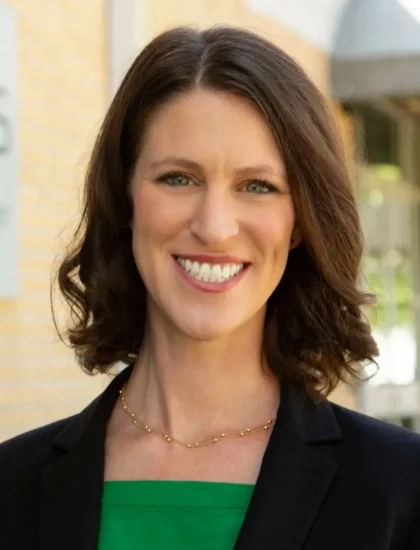
I was initially treated by Dr. Rachel Henderson at Andrews Sports Medicine's Hoover 280 clinic location. After an x-ray and MRI, Dr. Henderson confirmed by injury as a olecranon fracture, a break in the tip of my right elbow.
At first, we hoped my arm would heal without surgery, but after months of rehab it became clear that wasn't going to happen.
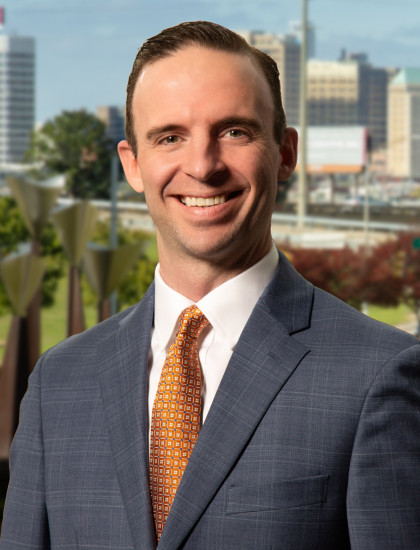
Dr. Henderson referred me to Dr. Marcus Rothermich, an orthopedic surgeon, who broke the news that I would need surgery. He performed my surgery that included placing three screws in my arm to repair the fracture. Hearing that was hard. More than anything, I wondered if I'd ever be the same pitcher again.
Dr. Rothermich made a huge impact on me during that process. He didn't just explain the surgery. He talked to me as a person and reminded me that I would get through it. His positivity and confidence in my long-term recovery personally gave me confidence that I would successfully make it back to the baseball season in time for my senior season.
My recovery lasted eight months, and that was the hardest part of the entire journey.
While everyone else was playing baseball, I was rebuilding my arm one small exercise at a time. Rehab wasn't exciting. It was slow, repetitive work that tested my patience every day.
There were plenty of frustrating moments, but quitting was never something I seriously considered. I wasn't ready for my baseball story to end there.
Redefining My Role
When my senior season arrived, I realized something important. I wasn't going to be the same pitcher I had been before the injury, at least not right away.
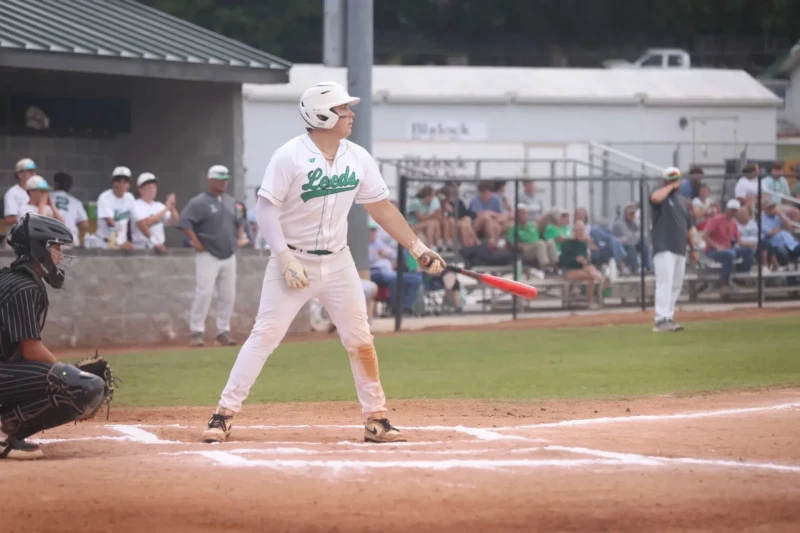
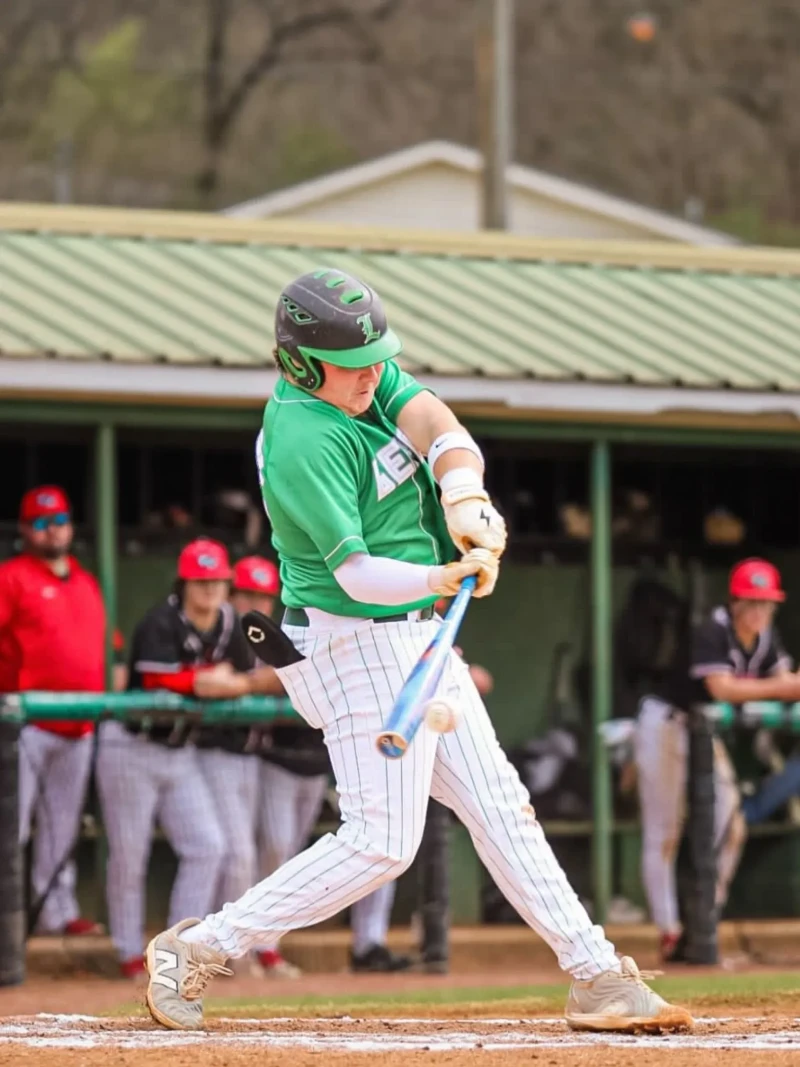
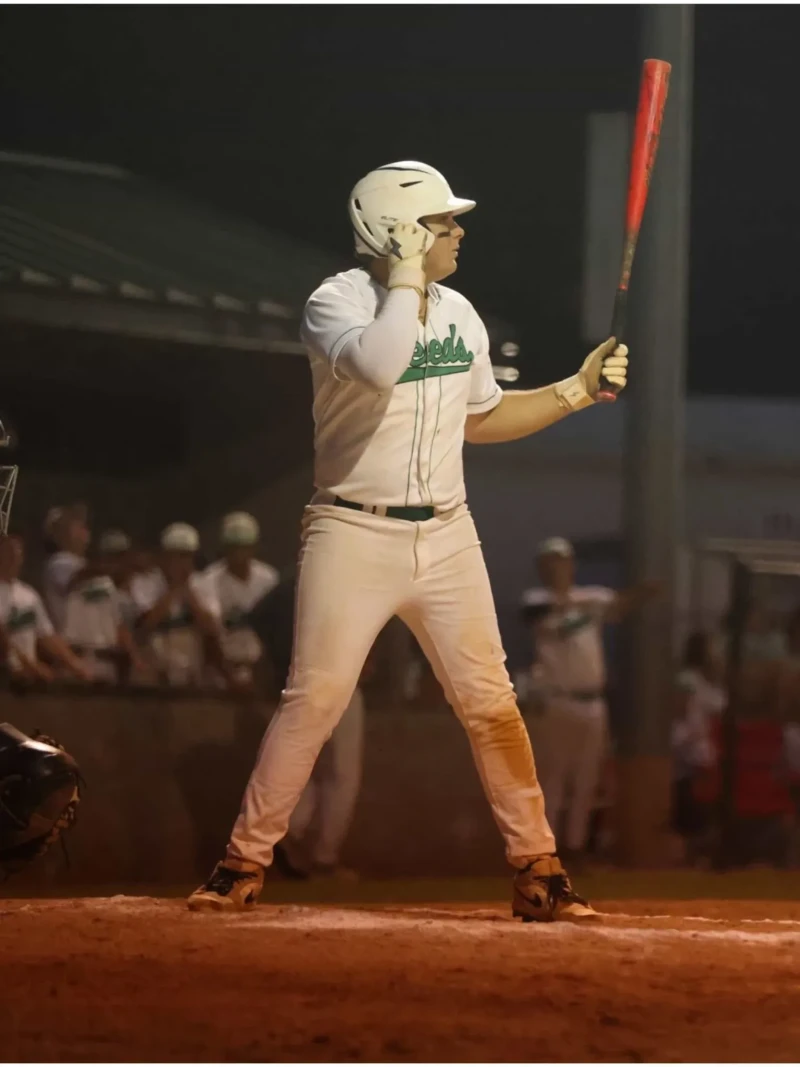
Instead of dwelling on what I couldn't do, I decided to focus on what I could control. I committed myself to becoming the best hitter and defensive player I could be because I knew my team still needed me.
That change in mindset completely changed my season.
I finished my senior year hitting .404, blasting 4 home runs, earning All-State honors, and helping Leeds compile a 23-15 record and an 5A area 10 region championship.
Those numbers meant more than any statistics I'd ever put up before because they represented everything I'd fought through just to be back on the field.
A Full Circle Moment
The biggest moment of my senior season came during our 5A Area Championship series.
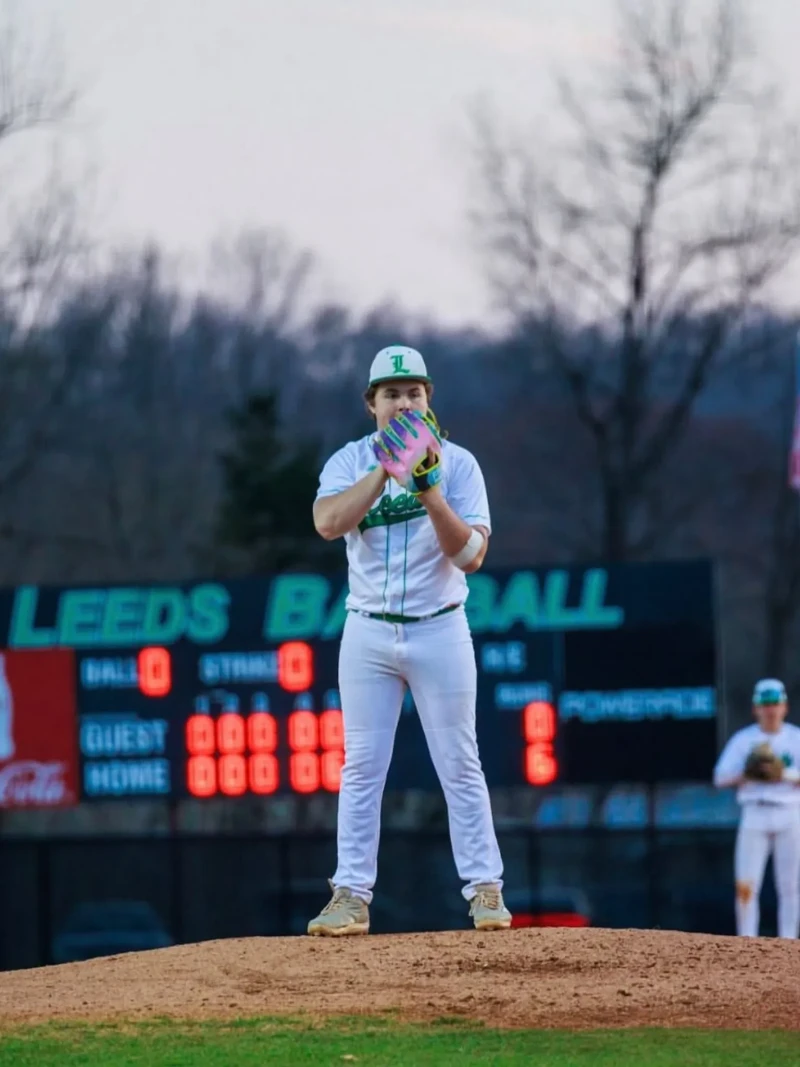
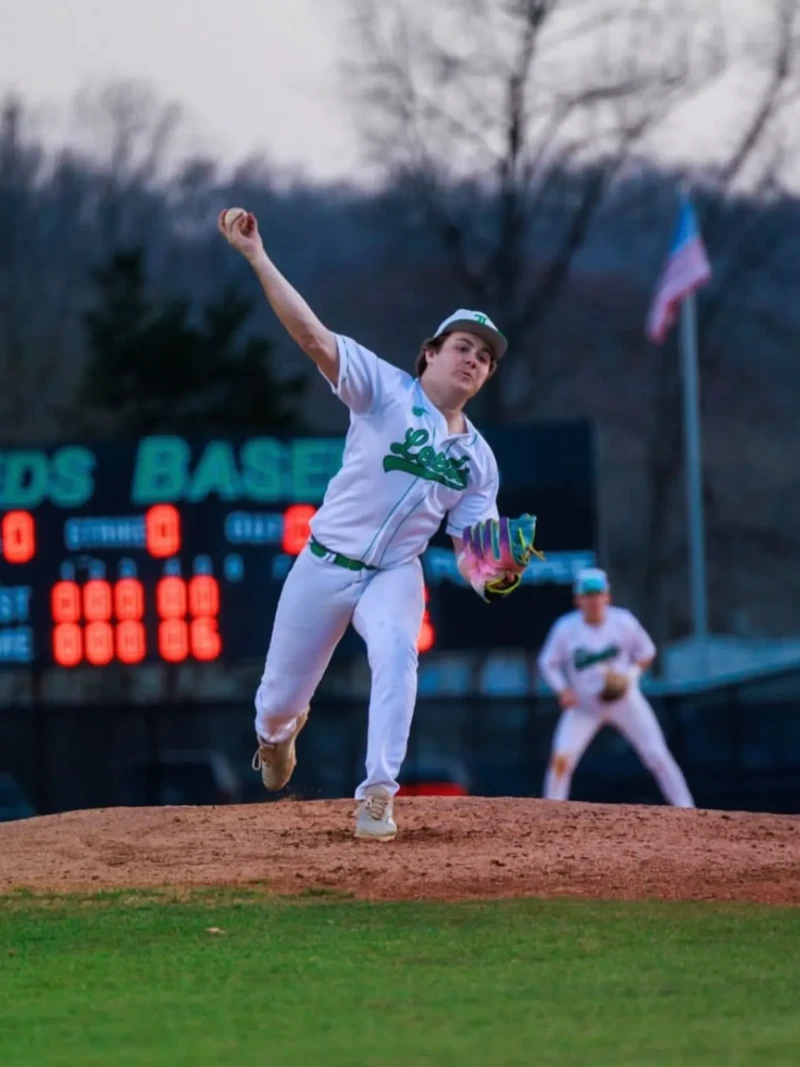
After splitting the first two games, everything came down to one final game. Late in the game, we had fought back to take a 6-5 lead, and my coach looked at me and handed me the baseball.
Coming off surgery, I hadn't been our go-to pitcher all season. My innings had been limited, and I wasn't the same player I had been before the injury.
But my coach trusted me anyway. I got the final three outs and helped close out the Area Championship.
When that last out was recorded, it was hard to describe what I was feeling. Just months earlier, I had been sitting in rehab wondering if I'd ever pitch again. Now, I was celebrating an area championship with my teammates.
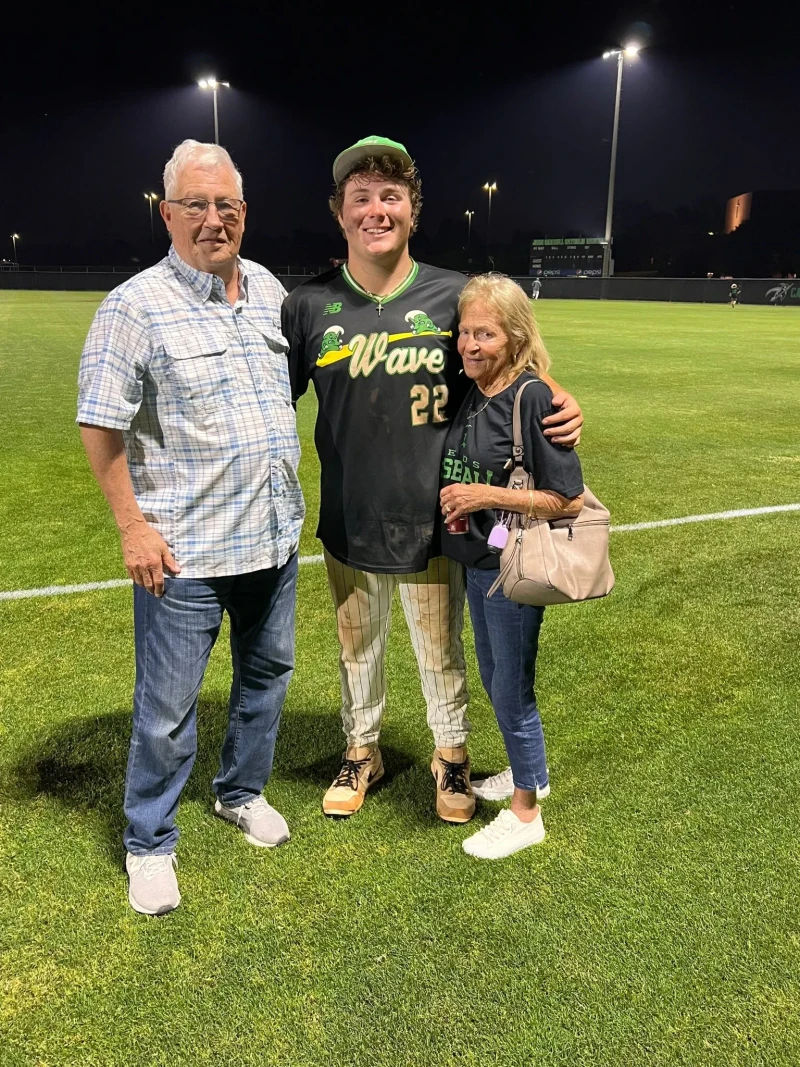
Seeing my grandparents walk onto the field in tears is something I'll never forget. It wasn't just the best moment of my senior season. It was one of the best moments of my baseball career.
What Baseball Taught Me
Looking back now, I wouldn't choose to go through the injury again, but I wouldn't trade what it taught me.
It showed me not to take the game for granted because everything can change in a single moment.
It taught me that setbacks don't define you. Your response does.
Most importantly, it taught me that my value isn't tied to one position or one role. I always thought of myself as a pitcher, but my senior year showed me I could still lead my team, compete at a high level, and make an impact in different ways.
If I could talk to another athlete going through a major injury, I'd tell him this:
Don't give up. Don't let one moment define your entire career. Trust the people helping you, keep working through the rehab, and when you finally get the chance to step back on the field, make the most of it.
You never know when that moment will become one you'll remember for the rest of your life.